
Rockfall Bolting & Netting
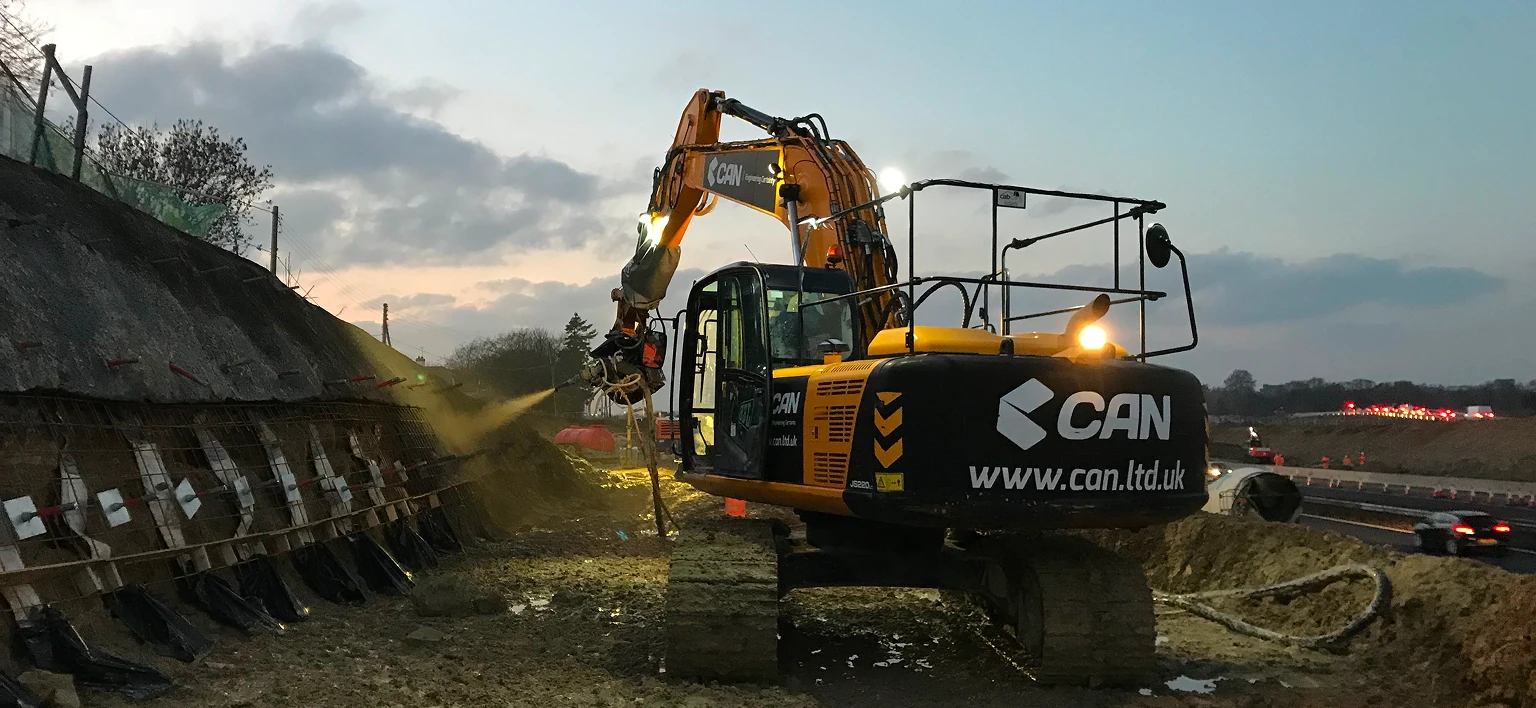
Rock bolting and rockfall netting systems work together to protect the surrounding environment
What is Rockfall Bolting and Rockfall Netting?
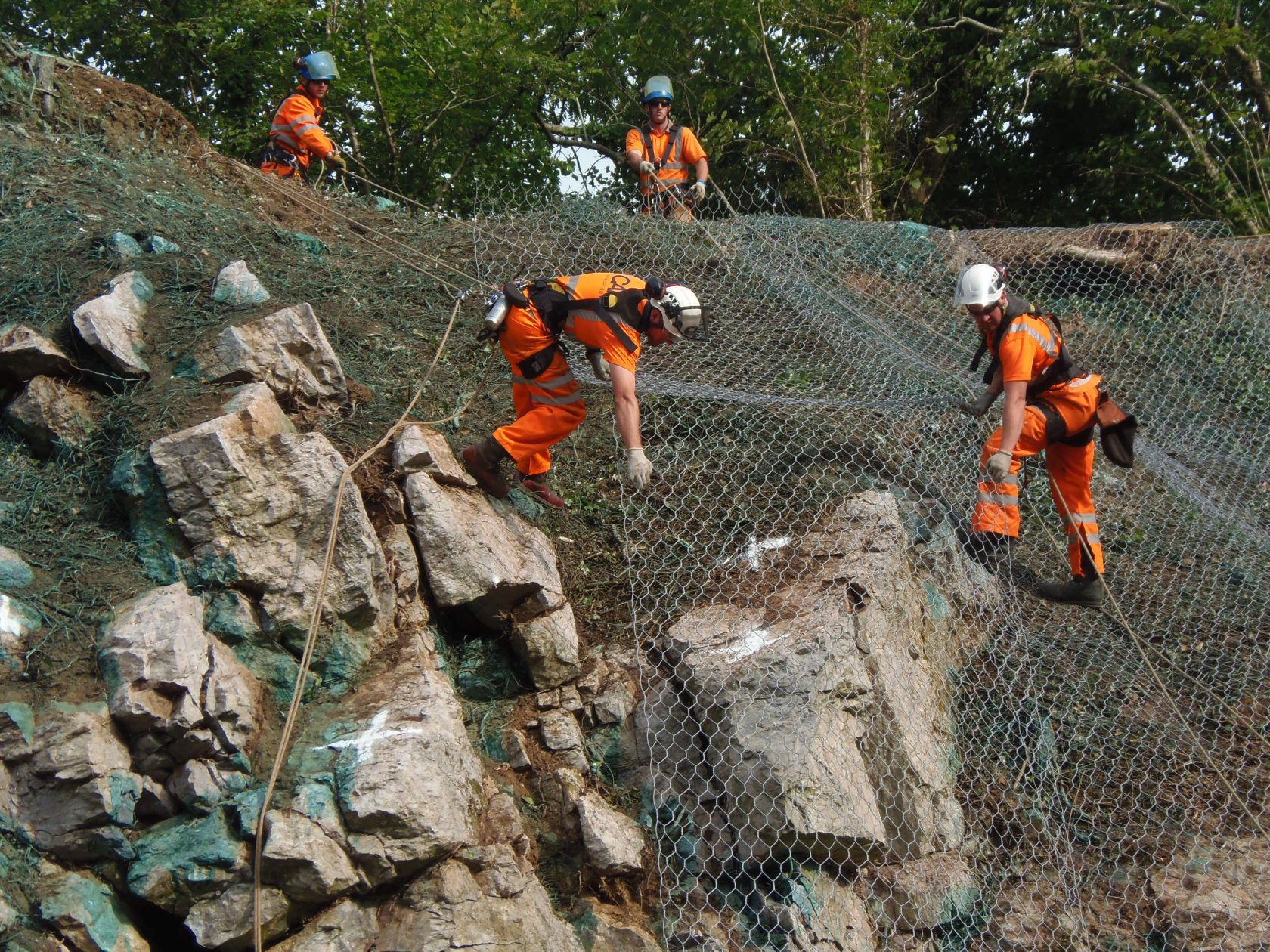
Rockfall netting can be either active or passive.
Passive systems are usually anchored at the top and bottom with rock bolts or dowels. They allow material to fall behind the mesh, which is then gathered at the bottom and removed later.
Active mesh systems are high-tensile mesh systems tensioned into the rock face, preventing surface material from falling. While more complex and generally more expensive to install, they offer significant benefits over passive systems.
There are many variations of mesh systems, with different strength and corrosion protection characteristics.
Selecting the right product is critical and depends on:
- The location and final use of the site
- Compliance with site requirements
- Design considerations, such as allowable mesh deflection when loaded
This is especially important in restricted spaces, e.g., alongside roads or railways, or near buildings or footpaths.
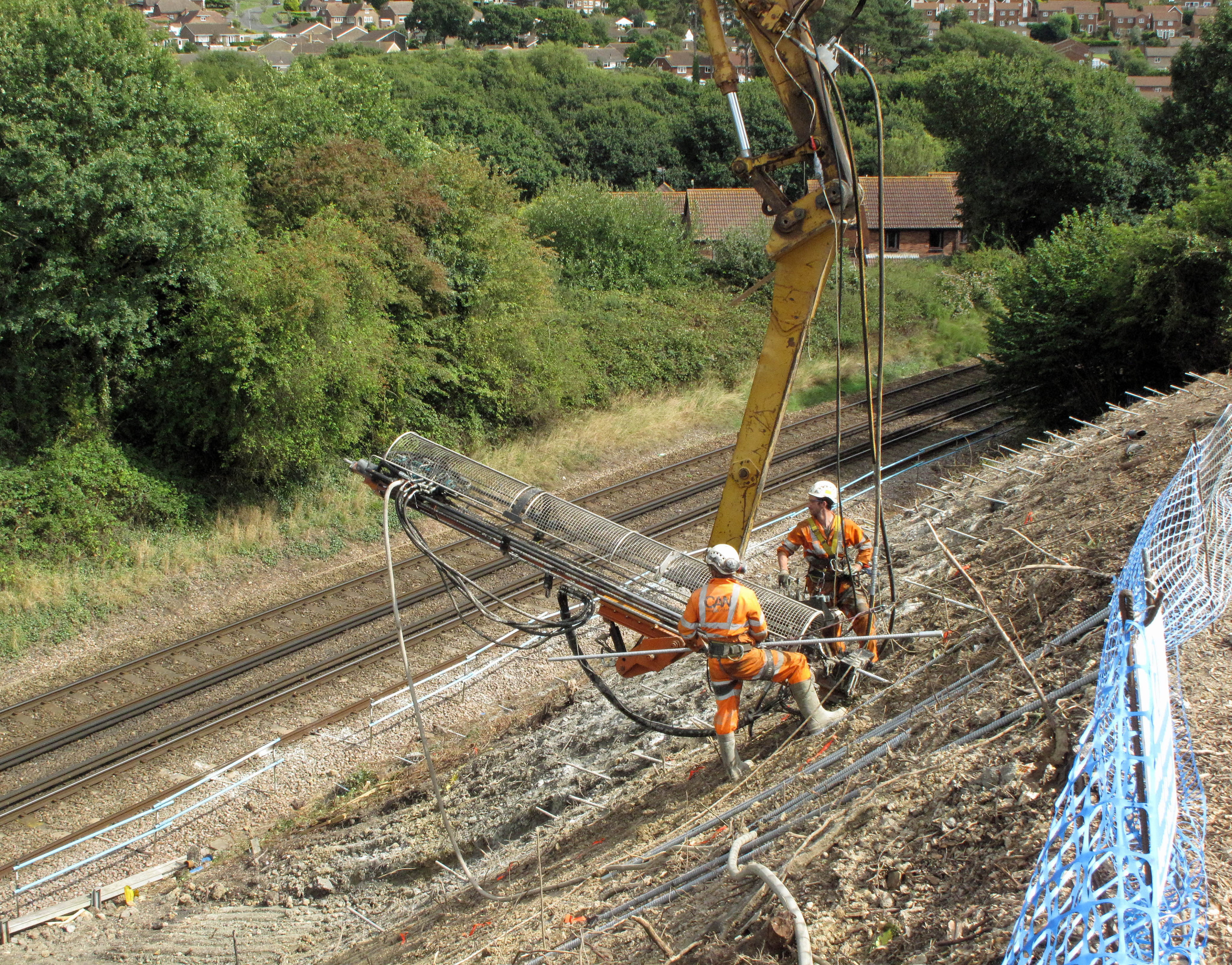
How they’re installed.
Mesh systems are often supplemented with:
- Discreet rock bolts, dowels, or anchors targeted at individual blocks
- Steel wire rope straps designed to restrain blocks
- Sprayed concrete or masonry dentition solutions for additional support and safety
At CAN, we install a range of bolt types using various plant options, including:
- Excavator or crawler rigs
- Telehandlers
- Lightweight suspended A-frame drill rigs
Bolts consist of threaded steel tendons, fixed with cementitious or resin grout, often with a headplate attached to the rock surface. Exposed plates and steelwork can be painted to blend with the surrounding rock.
Contact Us
Case Studies
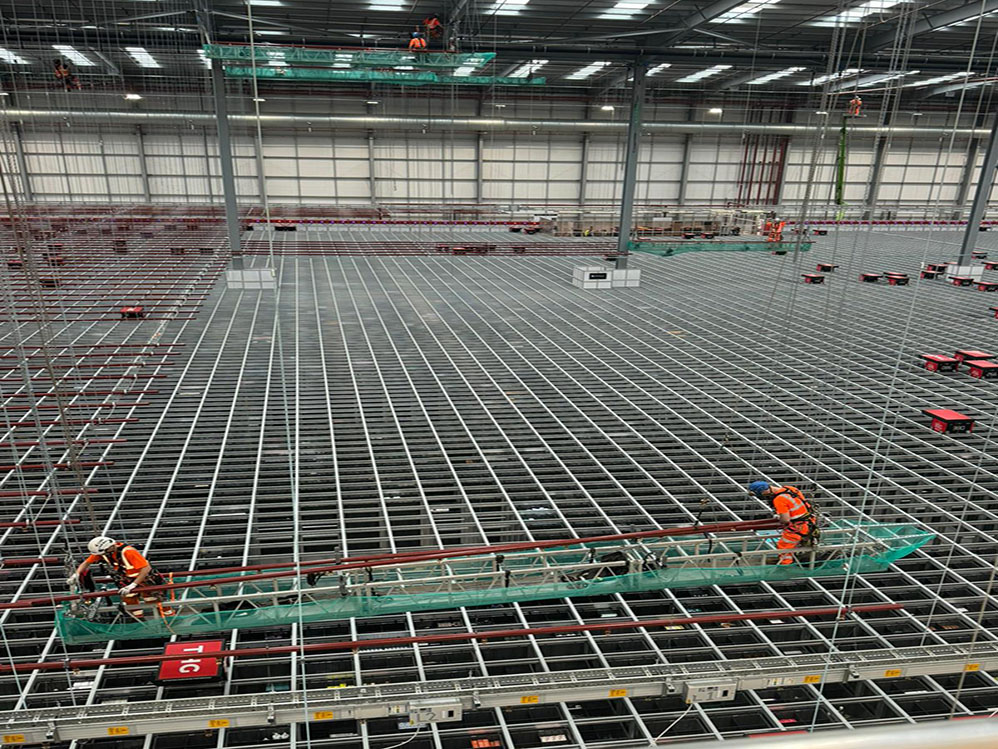
ICON 2 – Sprinkler System
CAN Structures was contracted to install a supplementary sprinkler system to 19,600sqm of ceiling above an operational automated retrieval system…
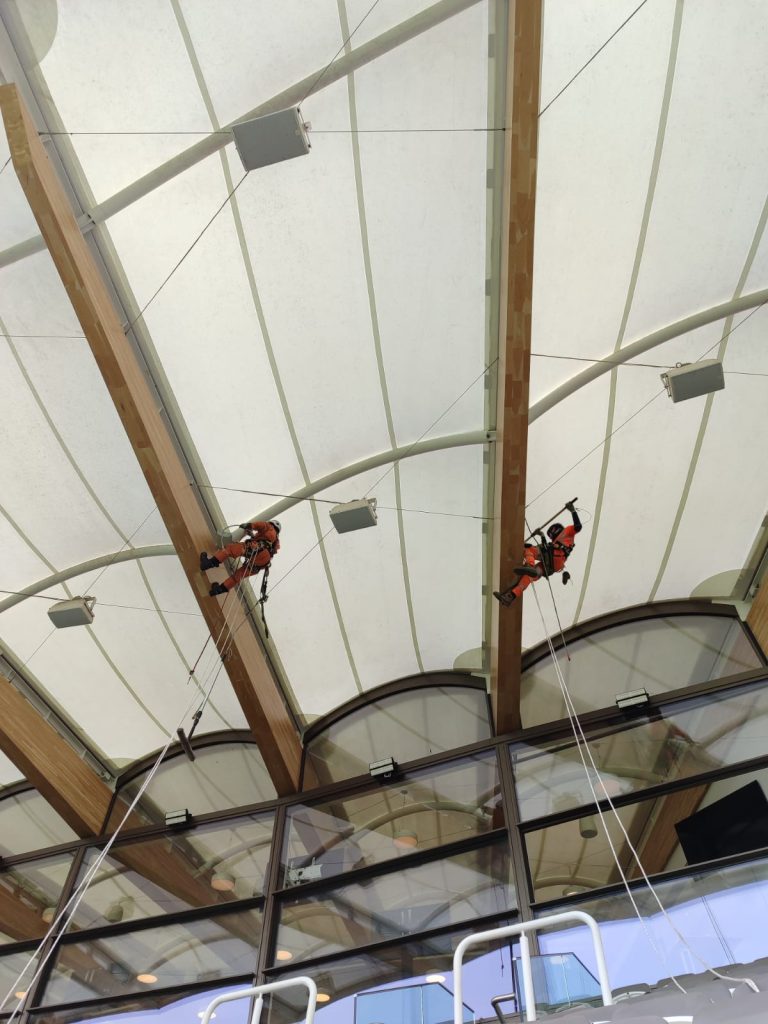
Howzat! Specialist clean-up crew gets bird’s-eye view of Lord’s
Rope access specialists from CAN, an RSK company, have been viewing Lord’s Cricket Ground, home of Marylebone Cricket Club, from a…
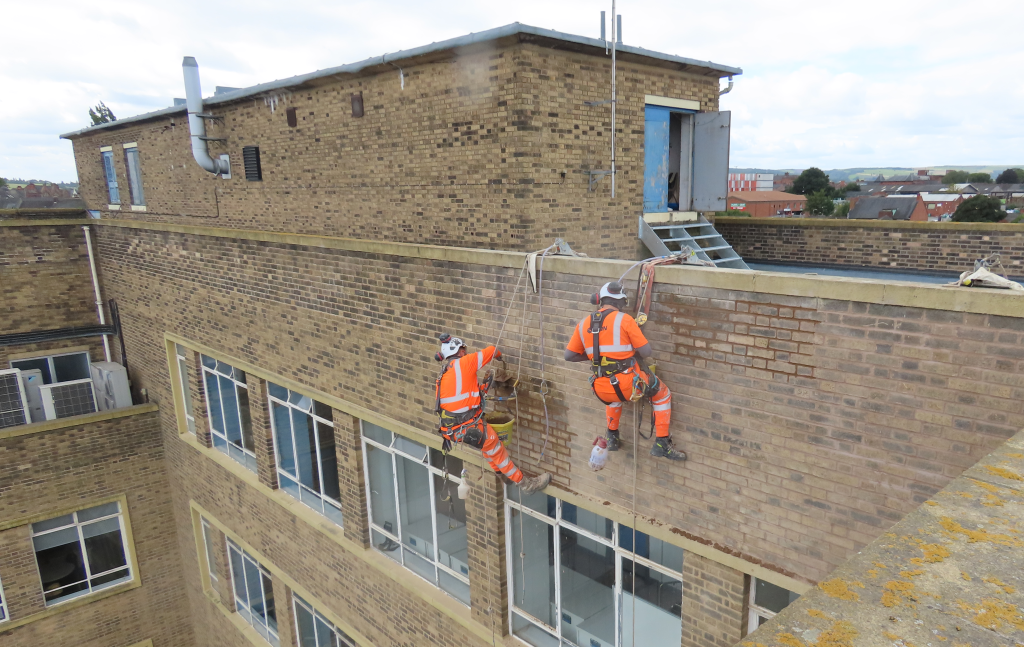
Chesterfield College – Repointing
CAN Structures was instructed with the cleaning, by biocide application, and remedial repointing of 200sqm of brick parapet wall at Chesterfield…